Introduction
With countless personal care products lining store shelves and filling online shops, choosing the right ones for your unique needs can feel overwhelming. From moisturizers and cleansers to intimate care and wellness products, the options are endless — and not every product is right for every person.
This guide will help you cut through the noise and make confident, informed choices about the personal care products that truly work for you.
Step 1: Know Your Skin Type and Body's Needs
Before reaching for any product, it's important to understand your body's specific needs. Ask yourself:
-
What is my skin type? (dry, oily, combination, sensitive, or normal)
-
Do I have any allergies or sensitivities? (fragrance, latex, certain preservatives)
-
What concern am I trying to address? (hydration, irritation, odor, discomfort, etc.)
-
Are there any health conditions I need to consider? (eczema, hormonal changes, menopause, etc.)
Understanding your baseline helps you narrow down the products that are most likely to work for you.
Step 2: Read the Ingredient List
Ingredients matter more than marketing claims. Here's what to look for:
Ingredients to Seek Out
-
Aloe vera — soothing and hydrating
-
Hyaluronic acid — deep moisture retention
-
Lactic acid — gentle exfoliation, pH-balancing
-
Vitamin E — antioxidant and skin-nourishing
-
Chamomile or calendula extract — calming for sensitive skin
Ingredients to Avoid (Especially for Sensitive Areas)
-
Parabens — potential hormone disruptors
-
Synthetic fragrances — common irritants
-
Glycerin in high concentrations — can disrupt natural pH balance in intimate areas
-
Harsh sulfates — can strip natural moisture
-
Petroleum-based ingredients — can clog pores or degrade certain materials
Step 3: Match the Product to Its Purpose
Not all personal care products are created equal — and using the wrong product in the wrong area can cause more harm than good. Keep these guidelines in mind:
-
Intimate care products should be pH-balanced (ideally between 3.8–4.5) and free from harsh chemicals.
-
Moisturizers for the face are formulated differently than body lotions — don't swap them.
-
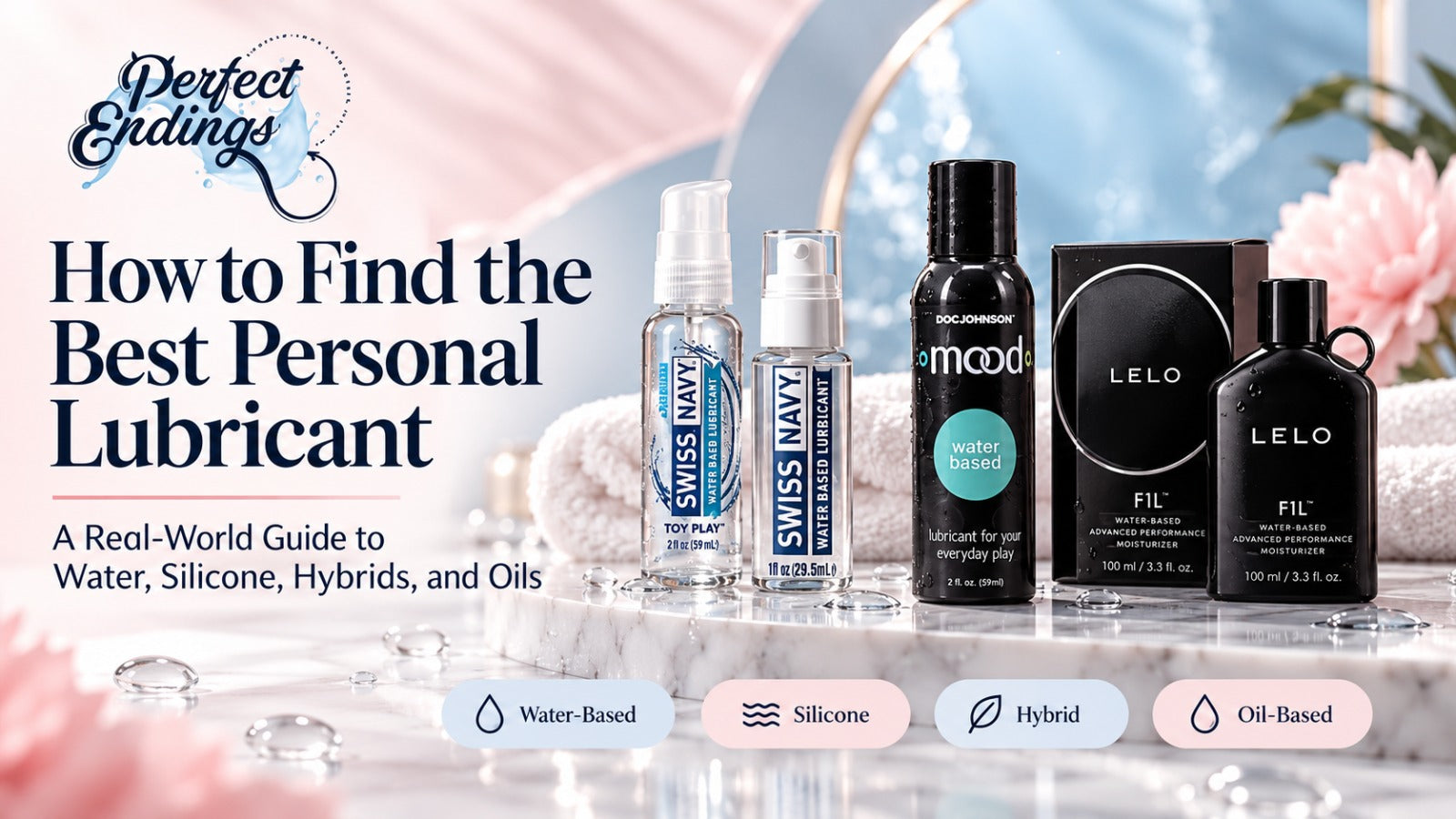
Lubricants come in water-based, silicone-based, and oil-based varieties — each suited for different uses and compatible with different products.
-
Cleansers should match your skin type — gel for oily skin, cream for dry skin.
Step 4: Check for Certifications and Testing
Look for products that have been dermatologist-tested, gynecologist-tested (for intimate products), or certified by reputable organizations. Certifications to look for include:
- Dermatologist-tested
- Hypoallergenic
- Cruelty-free / Vegan
- Certified organic
- Free from harmful chemicals (e.g., EWG Verified)
Step 5: Start Simple and Patch Test
When trying a new product, less is more. Follow these best practices:
-
Patch test first: Apply a small amount to the inside of your wrist or elbow and wait 24 hours to check for any reaction.
-
Introduce one product at a time: This makes it easier to identify what's working — or causing issues.
-
Give it time: Most products need consistent use over several weeks before you see results.
Step 6: Consider Your Lifestyle and Values
Your personal care choices can also reflect your values. Consider:
-
Sustainability: Look for eco-friendly packaging, refillable options, or brands with a commitment to the environment.
-
Cruelty-free: Choose brands that don't test on animals.
-
Inclusivity: Support brands that cater to diverse skin tones, body types, and needs.
-
Budget: Great personal care doesn't have to be expensive — focus on ingredients over price tags.
Step 7: When in Doubt, Ask a Professional
If you're dealing with persistent irritation, discomfort, or skin concerns, don't rely solely on product labels. Consult a dermatologist, gynecologist, or healthcare provider who can recommend products tailored to your specific health needs.
Final Thoughts
Choosing the right personal care products is a form of self-respect. By taking the time to understand your body, read labels, and make intentional choices, you're investing in your long-term health and comfort. Remember — the best product is the one that works for you.