Cart
0
You may also like




It’s a common concern: a couple is thinking of introducing toys into the bedroom, but then think “well, am I not enough? Why do we need this?”
Let’s take the obvious example of vibrators. Indiana University researchers found that 70% of men disagreed that vibrators are intimidating to their partners. Among women, 37% thought they were. The anxiety sits with the person worried about causing it, not the person it's aimed at.
Nobody Is Being Replaced
For heterosexual women, what predicted sexual satisfaction wasn't using a vibrator. It was the partner knowing about it and feeling good about it. That is, it literally feels better to use it if they are open with their partner about it.
A vibrator delivers one narrow kind of stimulation, consistently. That's the entire job description. It doesn't laugh at anything, remember your anniversary, or notice you've had a rough week. Worrying it'll replace a partner is a bit like worrying a stand mixer will replace cooking.
What Makes a Toy a Couples Toy
Actually, almost any sex toy can be used as a couple, but there is a category of toys that encourage use as a couple rather than solo.
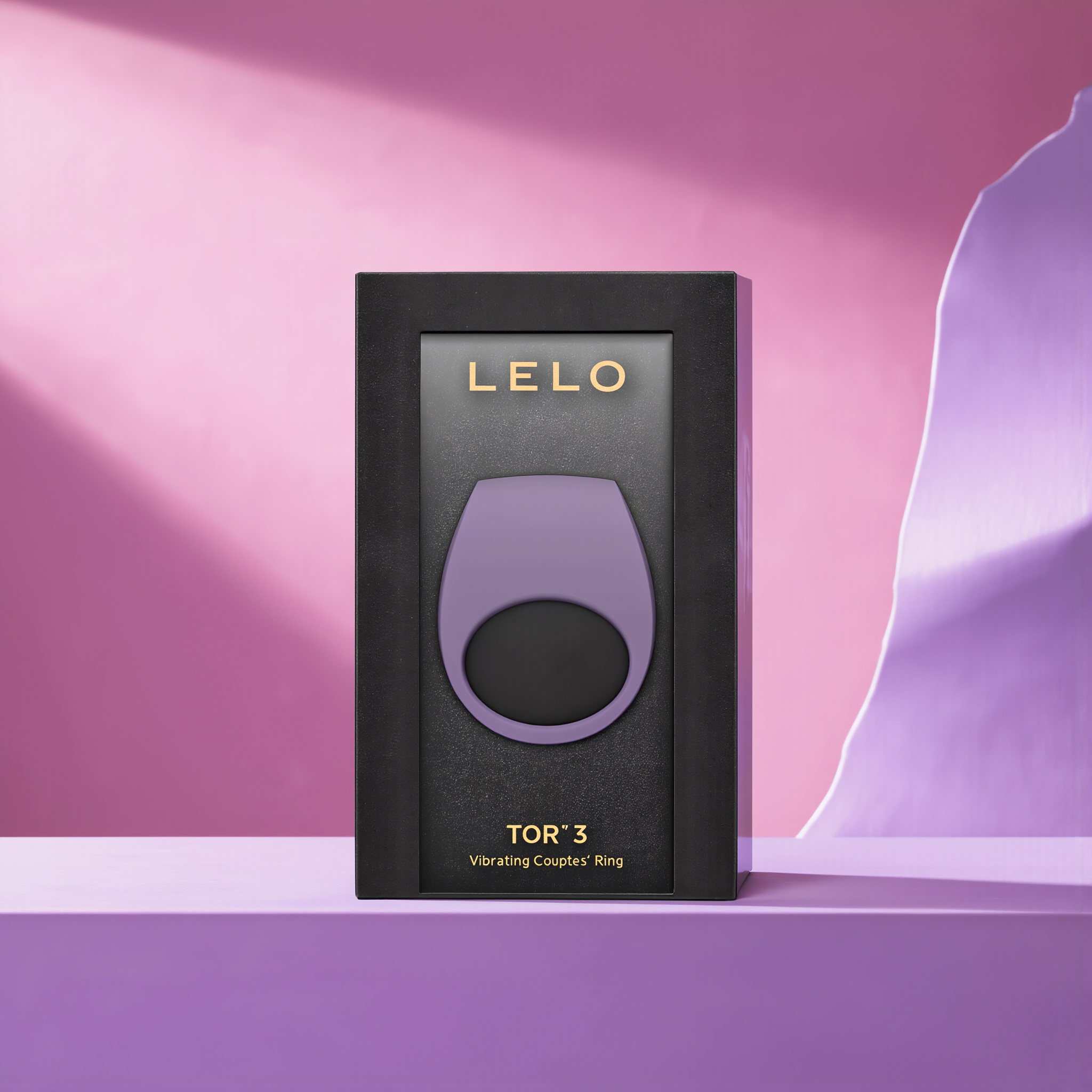
● LELO TOR 3 Vibrating Cockring ($185). Eight patterns and app control, and the design point is that both people feel it during penetrative sex. None of it works alone, which is rather the idea.
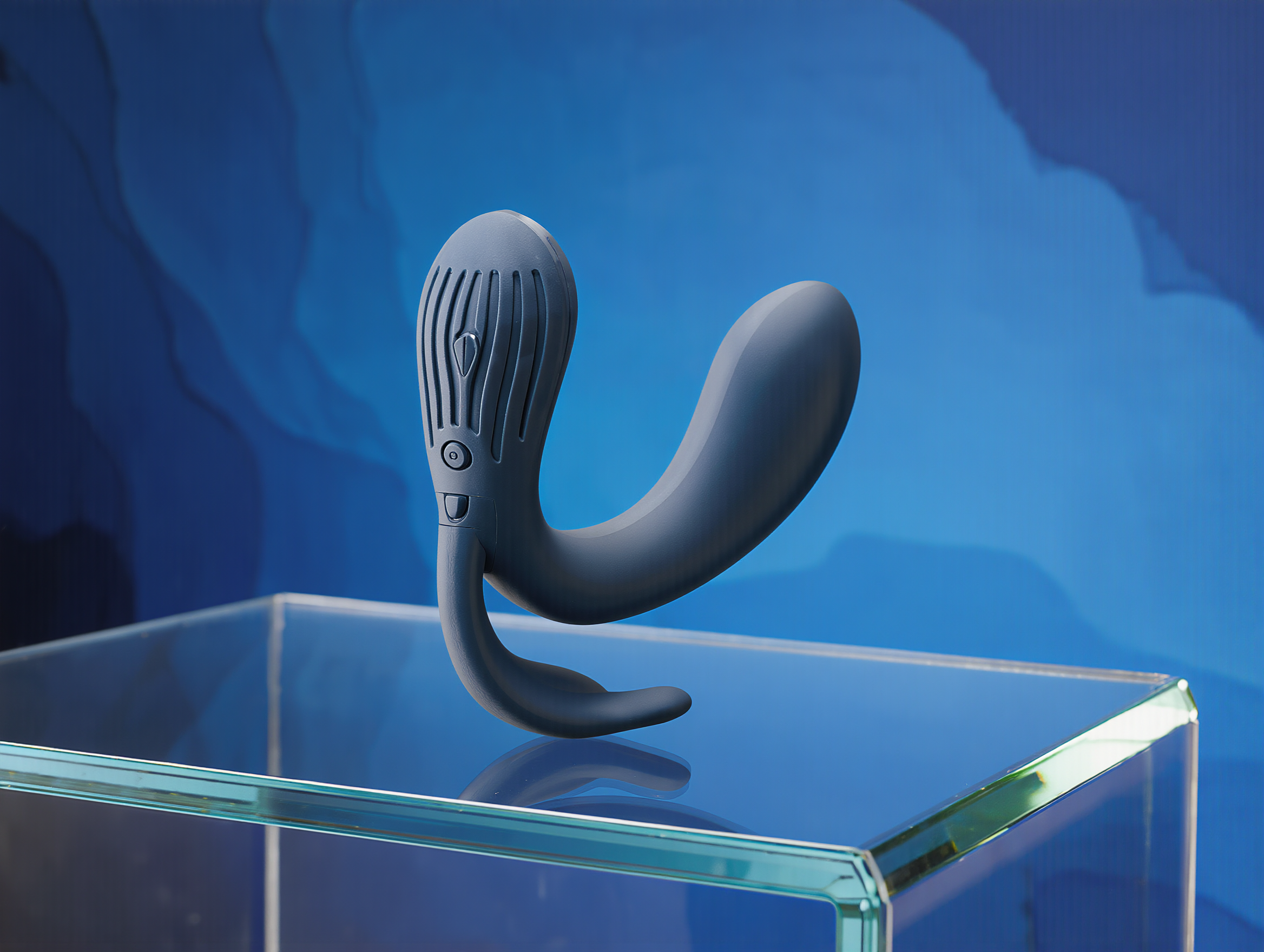
● Lovense Lush 4 Bluetooth Egg Vibrator ($139). Wearable, app-controlled and quiet. Hand your partner the phone and it stops being a device and turns into something the two of you are doing. Works across a room or across a country.
● Lovense Ferri Panty Vibrator ($119). Magnetic, sits in underwear, controlled remotely. Built for anticipation more than for the finish, which makes it a strong choice for a long dinner out.
● Earthly Body Hemp Seed Edible Massage Candle, Cherry ($30). It burns, then melts into warm massage oil. No batteries, no learning curve, and it requires one person's hands on another person. The best first purchase for anyone nervous about the whole category.